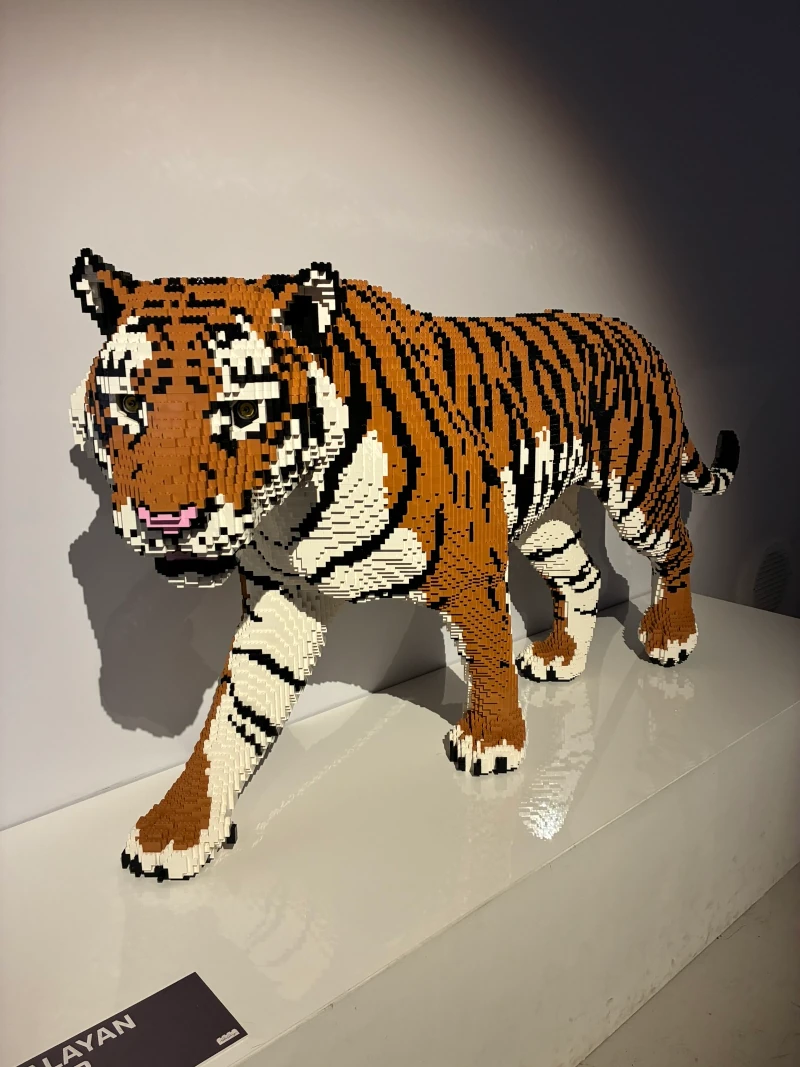
Art Of The Brick - Lego exhibition
Art Of The Brick - a lego art exhibition - is currently taking place in Tallinn. Although I'm not a huge enthusiast myself, people create some incredible things out of these bricks, so I decided to check it out.
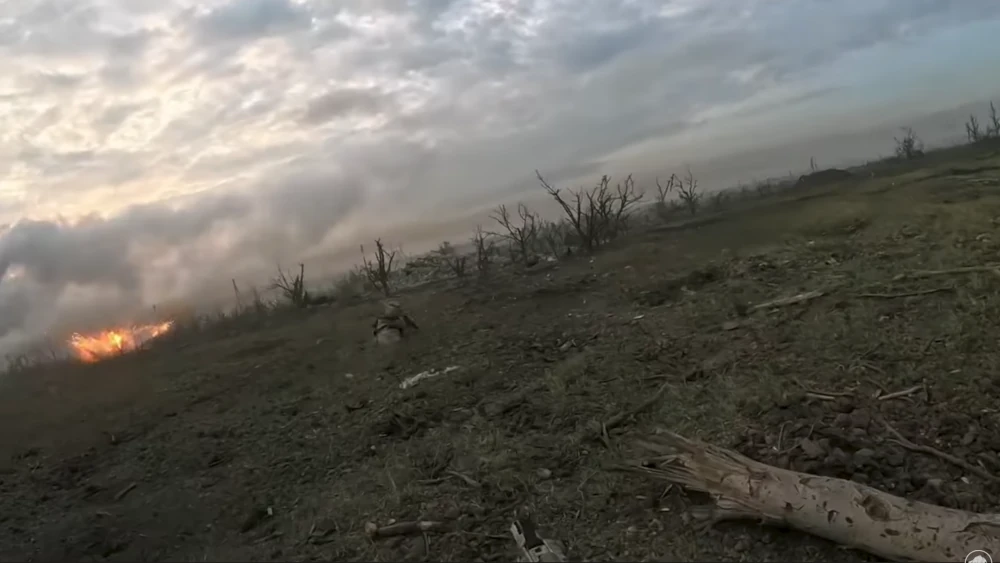
Yesterday I watched 2000 Meters to Andriivka in a movie theater, and I can't recommend it enough. It's a documentary film by Mstyslav Chernov - the creator of 20 Days in Mariupol - that depicts life and death on the frontline in Ukraine. Much of the footage was recorded with action cameras mounted on helmets, so what you see is as authentic as it gets.
I can't fathom where people find the courage and resilience to endure this.
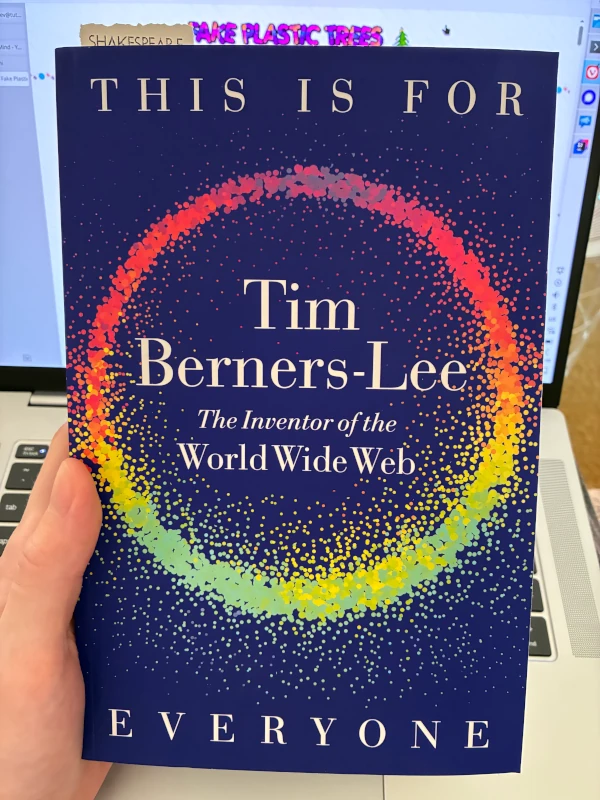
I didn't know much about Tim Berners-Lee, other than that he invented the World Wide Web. Since my journey with computers started in the late 90s, when his creation had already exploded, it felt to me like something that had always been there. Besides, he wasn't exactly a household name. Thus, I wasn't particularly excited when I heard that Tim had published a book, but I made a mental note nonetheless. Good reviews from both the press and readers convinced me to order it.
A film festival called PÖFF is taking place this November in Tallinn. It's a good opportunity to watch something that doesn't usually make it to the big screens - which are mostly reserved for Hollywood movies.
So yesterday I went to see Putnubiedēkļi (or Scarecrows in English). Even though it was filmed at Riga Airport, airplanes and air travel aren't the main focus of the movie. Instead, it shows the daily work of people whose job is to shoo away wild animals. Birds are probably the most dangerous intruders, as they can get sucked into engines, causing damage and expensive repairs. Losing one of the engines this close to the ground isn't ideal either. Other animals also like to visit the airport. Foxes can effortlessly jump over barbed wire fences, a beaver might decide to build a dam, and a family of hares can sneak in too!
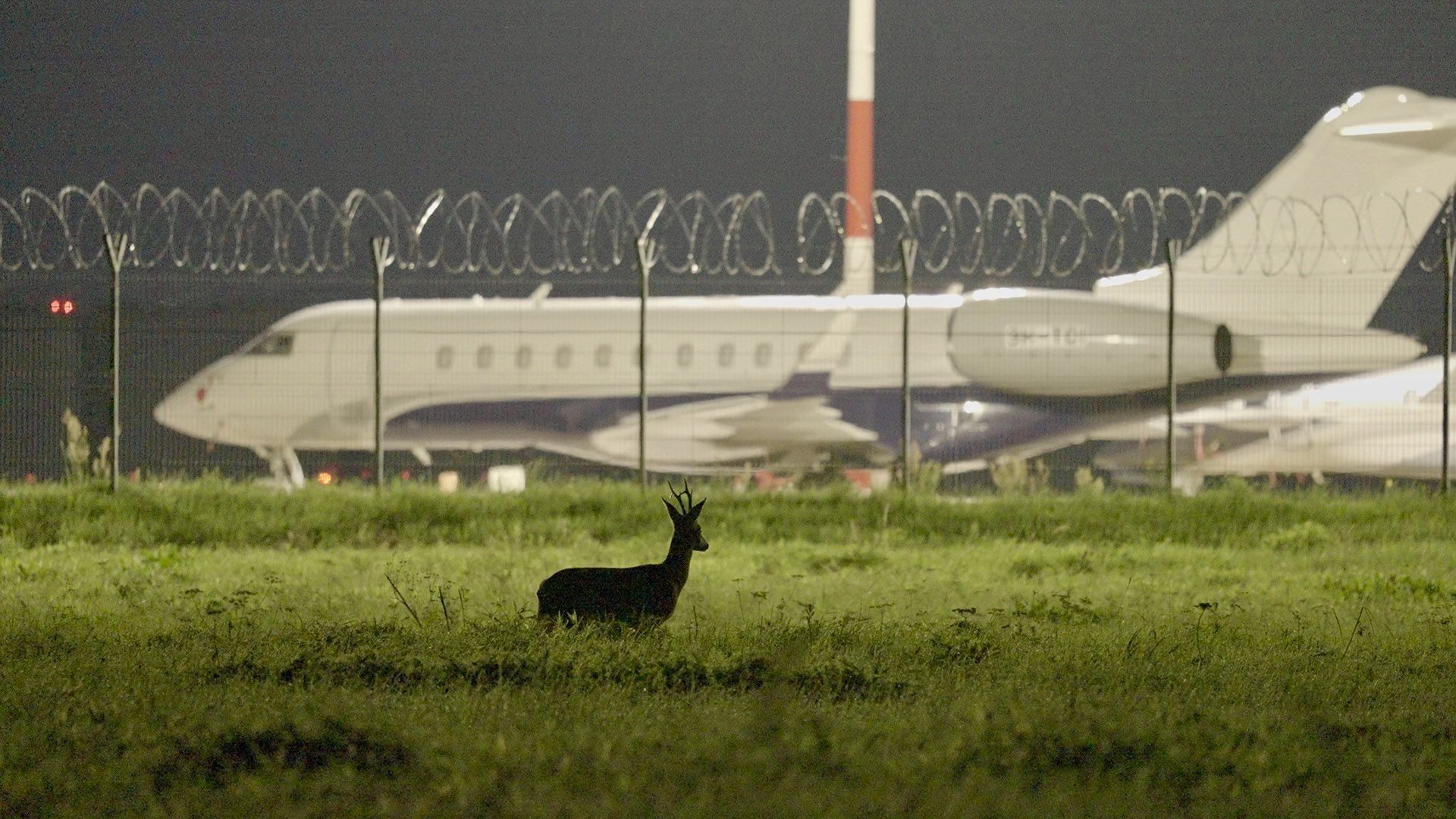
Image source: https://poff.ee/en/film/scarecrows/
From my understanding, it was partly filmed by the workers themselves, but there are also beautiful cinematic scenes presumably shot by the film crew. It's really a "watch how we work" type of documentary. There are no interviews, no staged moments, nothing like that - just interesting, challenging, and funny moments from their everyday work. As passengers, we never really notice this battle with nature.
I really liked Scarecrows. The film isn't that long - about 90 minutes - and it has good pacing. Here's the trailer, although it only shows the cinematic segments.
I found myself in a rather silly situation, where I had to replace my perfectly capable smartphone. Even though its battery wasn't good after eight years - once I'd finished a carsharing trip two minutes before it died - the device was more than sufficient for all my use cases. I could take pictures, chat in instant messengers, browse websites, read emails, use an online bank, and so on. From that perspective, it totally satisfied my needs.
I stumbled upon a talk by a principal engineer at Financial Times, Katie Koschland. She discussed how their authors apply large language models that her team is developing, the challenges they face, and shared some advice on prompt engineering.
DuckDuckGo, a privacy-friendly alternative to Google and other search providers, has recently launched a new product: AI Chat. It offers anonymous access to popular AI models, including GPT-3.5, Claude 3, and open-source Llama 3 and Mixtral. While I cannot make a reliable assessment of their claims, using this service allows you to work with these models without registration, which is a good starting point.
I decided to compare them to ChatGPT 4o. There are many ways to do this, but I didn't aim to make a professional and thorough comparison. As a user of these tools, I wanted to see how they could handle my daily requests. Since I am learning German, sometimes I need to clarify certain words, phrases, or how to apply different cases in various situations.
The prompt was inspired by my mistake on Duolingo. To put it simple, I thought that the German "in" was equivalent to the English "to". However, it turned out that "in" can change its meaning depending on the case.
Let's see how various LLMs explained the difference.
Was 2023 the year of the personal website? And what about 2024?
I'm not sure about 2024, but on the last day of 2023, I'd like to respond to the first question posed by Matthias Ott. His Own Your Web newsletter was one of my motivations to keep working on this blog. Seeing others and their website designs reminds me of the days before social media, which had more room for personal expression.
I don’t mean everything is bad today. However, I like being able to personalize my blog with snowflakes, a Christmas tree at the bottom of the page, and altering the mood of my visitors. We can't do that on Facebook or Twitter, which I find odd. Many would enjoy and even pay for such personalization. The only example I can think of is Steam, where gamers can purchase various avatar borders, profile backgrounds, and other visual elements.
This year wasn't just about starting my website.
I've watched several documentaries over the past couple of months and wanted to jot down my impressions. Here's the list:
While discussions on the topic of AI have been ongoing for years, they weren't as prominent outside the circle of enthusiasts. That changed one year ago when OpenAI introduced ChatGPT in November 2022. I want to recommend a book that is relevant to the subject.
I've watched several documentaries over the past couple of months and wanted to jot down my impressions. Here's the list: